Most Indonesian park projects do not fail because the rides were wrong. They fail because the model was chosen before the numbers were run: a mall lease signed for a concept that needed a car park, or a ride package bought for a site that could only support play equipment.
There are three realistic ways into this business in Indonesia, and they differ in capex, kepegawaian, ticket price and – most importantly – how much of the risk sits with you before opening day. This guide compares them on the same sheet, then shows the arithmetic that decides whether a project works at your rent level.
Three Entry Models Compared
| Model | Daerah yang khas | Total capex | Staff | Ticket | Pembayaran kembali | Risiko utama |
|---|---|---|---|---|---|---|
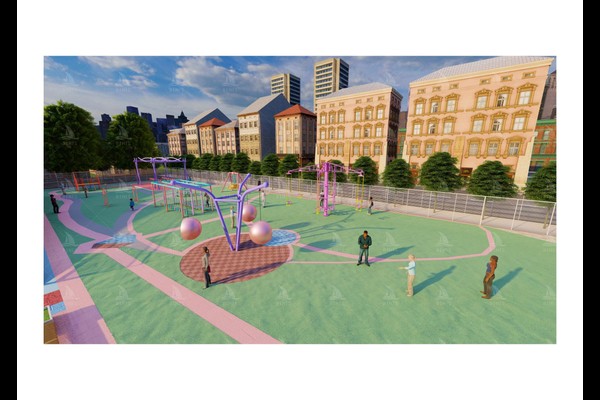
| Non-powered park (taman bermain) | 1,000-3,000 M² | USD 120k-400k | 6-10 | Rp 1.5-3 | 18-30 bulan | Weather |
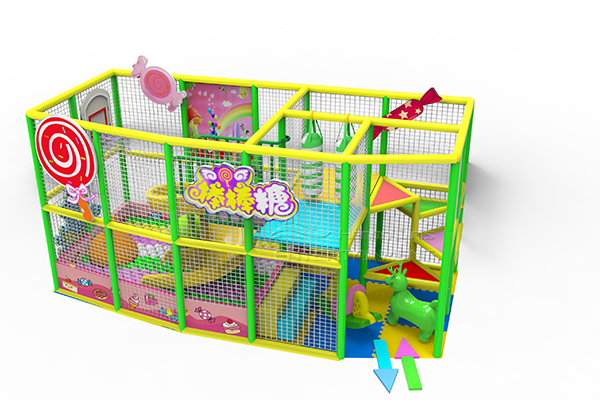
| Indoor playground (mall / FEC) | 300-800 M² | USD 90k-200k | 8-14 | Rp 4-7 | 10-18 bulan | Lease and location |
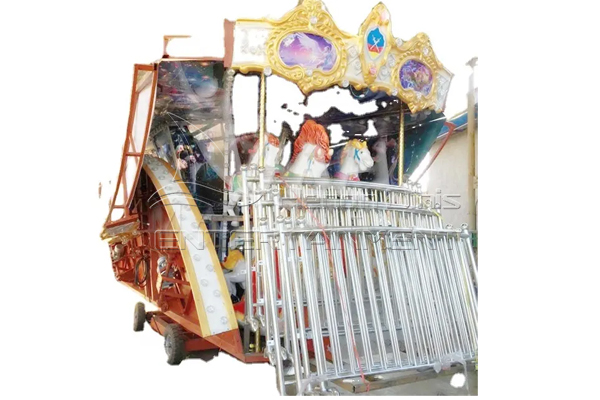
| Ride package (existing park) | 1,500 M²+ | USD 250k-1m+ | 10-20 | Rp 3-6 | 24-48 bulan | Capex and inspections |
The pattern is consistent: the outdoor non-powered park has the lowest capex per guest but depends on weather and car access; itu taman bermain dalam ruangan has the highest rent per square metre but a controlled climate and predictable weekend traffic; the ride package has the highest revenue ceiling and the longest, most document-heavy approval path.
Foreign ownership changes the structure of all three. A PT PMA with the right KBLI classification can hold the business, but the lease, the building approvals and the ride inspection still run through local processes – plan the corporate setup in month one, not month four.
Where the Money Actually Goes
| Cost line | Share of total project cost |
|---|---|
| Play equipment or rides | 50-65% |
| Fit-out: flooring, ceiling, penerangan, AC, toilet | 8-12% |
| Freight, clearance, duty and VAT | 8-12% |
| Installation and commissioning | 5-10% |
| Deposit, service charge, fit-out deposit (mall) | 20-40% of a mall unit |
| Working capital, 3 bulan | 5-8% |
The line that surprises first-time investors is the deposit block. In a Jakarta mall, three to six months of rent plus service charge and a fit-out deposit is due before the equipment order is even placed – and it is not financed by the equipment supplier. Budget the total, not the container.
The Arithmetic: Payback at Four Traffic Levels
Take a 500 M² indoor playground with a total project cost of about USD 118,000 (peralatan, fit-out, kargo, deposit and working capital). At a USD 4.5 ticket and a 55% operating cost ratio, the monthly net depends entirely on traffic:
| Average daily traffic | Monthly revenue | Monthly net | Pembayaran kembali |
|---|---|---|---|
| 80 visits/day | Rp 10,800 | Rp 4,860 | 24 bulan |
| 120 visits/day | Rp 16,200 | Rp 7,290 | 16 bulan |
| 160 visits/day | Rp 21,600 | Rp 9,720 | 12 bulan |
| 200 visits/day | Rp 27,000 | Rp 12,150 | 10 bulan |
This is why the site matters more than the equipment brand. Two venues with identical equipment, one in a mall with an anchor tenant and one on a quiet road, differ by a factor of two in traffic – and that is the difference between 10 months and 24.
Use the table as a screening tool: if your realistic traffic number puts payback beyond 36 bulan, the problem is the rent or the concept, not the supplier’s price.
What Kills Indonesian Park Projects
- Underestimating the deposit. The lease block is paid before revenue exists and is rarely in the first budget.
- Ignoring import duty and VAT. Both are assessed at clearance on the CIF value; the classification code moves the number.
- Opening in the rainy season without drainage. A non-powered park that floods in December loses its best month.
- Buying on price, not specification. A 30% cheaper quote usually has thinner steel and fewer play elements, not a better deal.
- Advertising before approval. A launch date set before SLF and fire inspection is a date that moves publicly.
Contract and Payment Structure
Split the contract into equipment, freight and installation so you can see what each party is responsible for. Pay a deposit to start production, a balance against a pre-shipment inspection report, and the final amount on documents. Ask for the inspection report before the container leaves, not after it arrives – a damaged panel discovered in Surabaya is a two-month delay, the same panel discovered in the factory is a two-day repair.
For the build sequence and licensing path, membaca how to open an amusement park in Indonesia; for the lease numbers, itu site selection guide; and for the outdoor option, itu 1,000 M² non-powered park guide.
Getting a Number You Can Take to the Bank
Send us the city, the plot or floor area, the rent you have been quoted and the traffic you think is realistic. We will return two models side by side – an indoor playground and a non-powered park – with capex, staffing and payback on the same assumptions, so the comparison is between businesses rather than between equipment lists.
Kita pabrik peralatan hiburan manufactures both product families at one 125,000 M² site, which is also why we can tell you when a model does not fit your numbers instead of quoting it anyway.