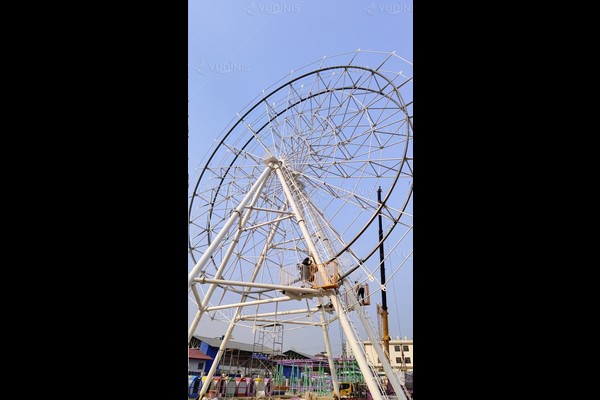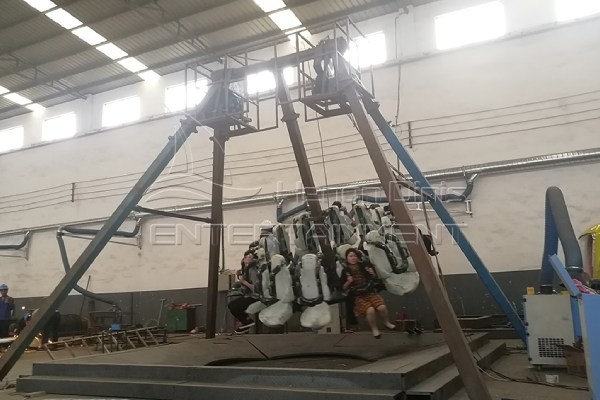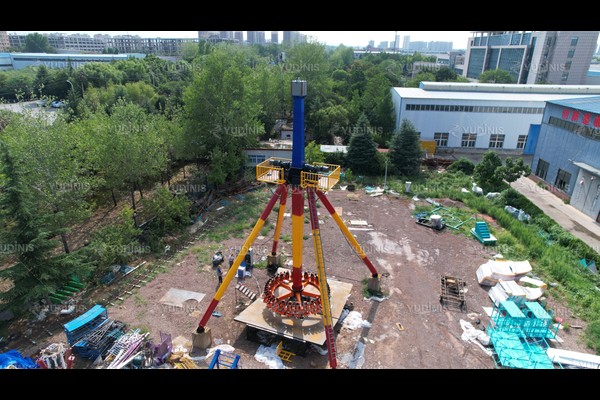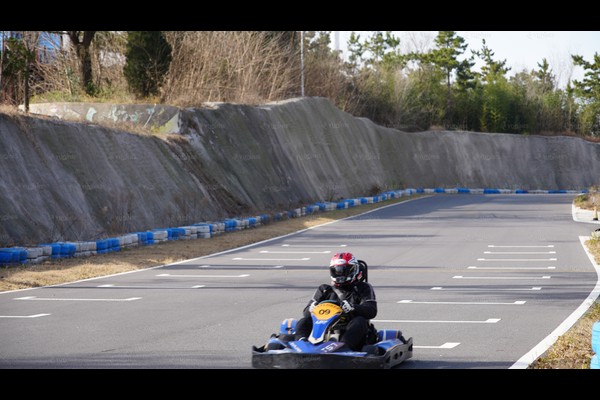
The site decision is made before the equipment decision, and it is the one that is hardest to reverse – a cheap plot in the wrong location costs more than an expensive one that works.
These are the three site models Indonesian operators choose between, and the questions that decide which one suits your project.
Key Specifications
| Item | Reference |
|---|---|
| pretium unitatis | Footfall providit, rent princeps, gerens horas fixa |
| Standalone insidias | Plena potestate et raedam, oportet ipsum |
| Obstinatus vel attractio | Captiva auditorium, fortis temporis cacumina |
| Key factores | Rent, accessum, potentia, laquearia altitudo, permittit " |
| Zoning | Adfirmare terram usui ante subscribens aliquid |
| Decision test | Model rent against realistic footfall |
Omnes figurae valores referuntur et confirmantur in propositione machinali pro situ tuo.
Model One: The Mall Unit
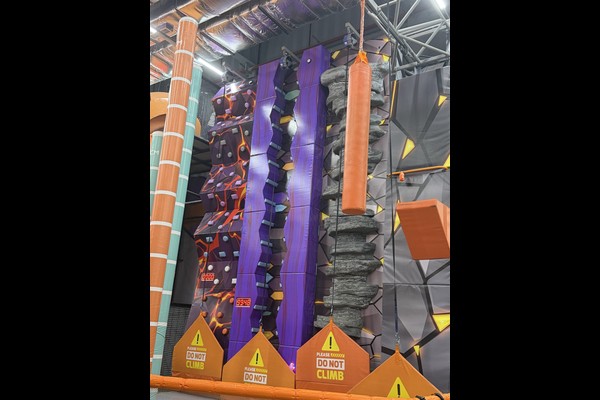
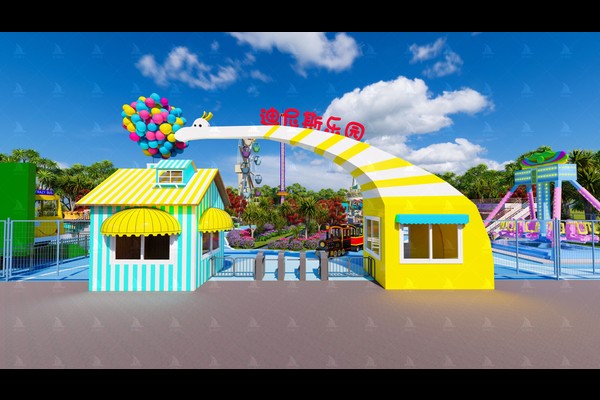
A mall provides footfall, security, parking and air conditioning, and it is the fastest way to open an indoor attraction. In exchange you accept higher rent per square metre, fixed trading hours, limits on noise and structural changes, and a fit out that may have to be removed at the end of the lease. Mall units suit soft play, arcades, trampolines and compact family rides, all of which need ceiling height and floor loading checked before signing.
Model Two: The Standalone Plot
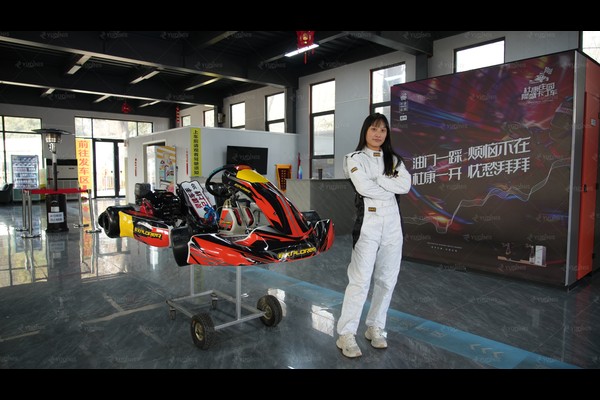
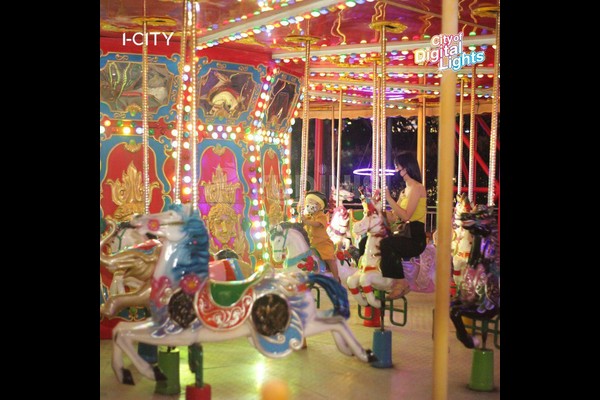
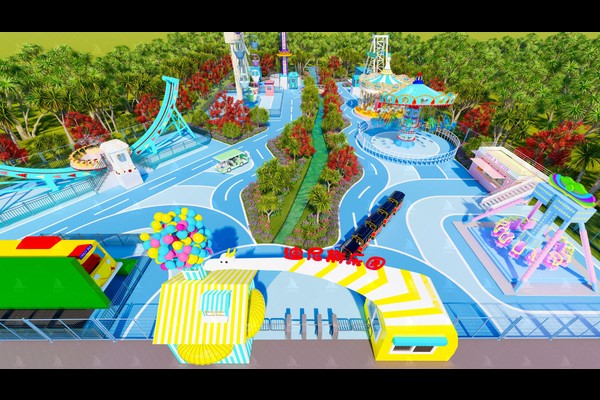
A standalone plot gives control: your own opening hours, your own branding, outdoor attractions and space to expand. It also means building the footfall yourself, funding parking and services, and carrying the cost of land or a long lease. Standalone sites suit non-powered parks, go kart tracks and mixed indoor and outdoor venues, and they reward operators who are prepared to market consistently rather than rely on passing traffic.
Model Three: Resort, Attraction or Destination
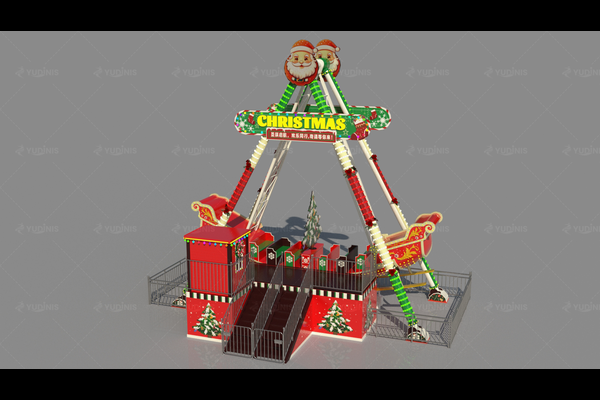
Attaching to an existing destination – a resort, a beach area, a scenic attraction or a large park – gives a captive audience that is already on holiday and willing to spend. The trade offs are seasonality, dependence on the host venue, and shared revenue or rent arrangements that must be modelled carefully. This model suits water play, novelty rides and themed family attractions that work as an add on to an existing visit.
The Questions That Decide
Whatever the model, the same checks decide viability: realistic footfall and spend per guest, rent or land cost against revenue, power availability, water and drainage, ceiling height and floor loading, access for deliveries and construction, and the permitted land use under local zoning rules. Equipment choices follow from those answers, not the other way round – nostra Indonesia investment guide sets out how the three models translate into a first project.
Customization
Optiones specificare potes antequam productionem animi: Site evaluation, equipment fit and phasing.
Ut recta elit nos control totius catenae: engineering, productio, officinas probatio et export sarcina omnia fiunt intus a 125,000 quadratum meter productio basi, et parce partium index sequitur machinam ad locum tuum. Project opus includit layout drawings, phased apparatu lists et documenta tradere potes recta ad loci redemptore.
Mitte consilium tuum insidias, budget range ac scopum ostium date – reddemus phased rogationem potes accipere recta ad tabulam tuam.