ينمو سوق الترفيه العائلي في إندونيسيا بسرعة, والفرصة حقيقية. في نفس الوقت, عدد الملاعب والحدائق الجديدة آخذ في الارتفاع, لذا فإن المشروع الناجح يحتاج إلى أكثر من مجرد معدات جيدة; فهو يحتاج إلى الموقع الصحيح, يسمح الحق, وخطة تشغيلية واضحة. ترشدك قائمة المراجعة هذه عبر الخطوات الرئيسية لفتح مدينة ملاهي في إندونيسيا, من أبحاث السوق إلى يوم الافتتاح.
1. دراسة السوق واختيار الموقع
ابدأ بتحليل مستجمعات المياه: كم عدد العائلات التي تعيش ضمن مسافة معقولة بالسيارة, ما هي الأماكن المتنافسة الموجودة بالفعل, وما يتقاضونه. مركز تجاري, منطقة سكنية جديدة, أو وجهة سياحية لكل منها ملفات تعريف مختلفة لحركة المرور والإيجار. قم بزيارة المنافسين في عطلات نهاية الأسبوع والأعياد لمعرفة الإشغال الحقيقي, ليس فقط تسويقهم. أخطاء الموقع هي أغلى الأخطاء, لذلك افعل ذلك قبل شراء أي معدات.
2. تحديد المفهوم الخاص بك
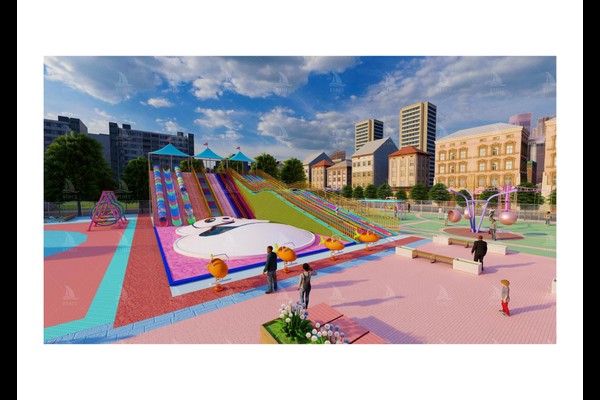
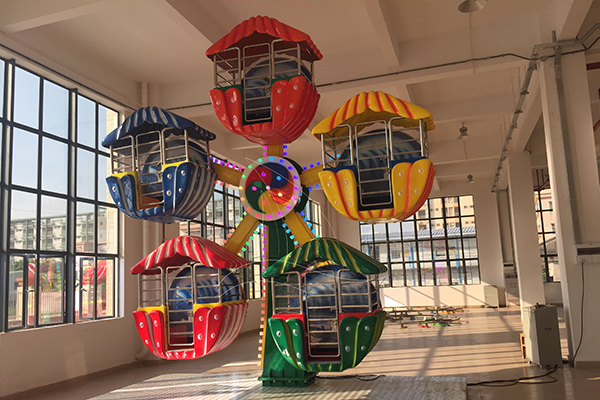
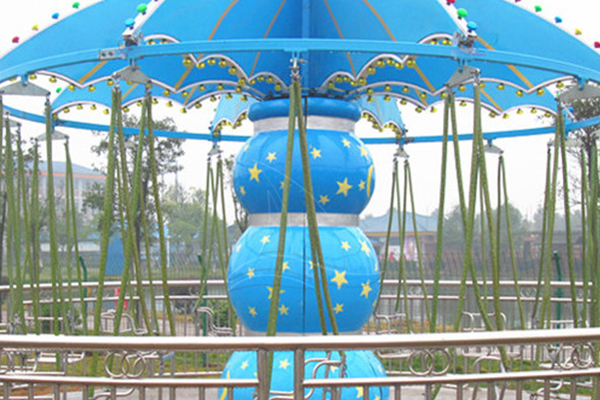
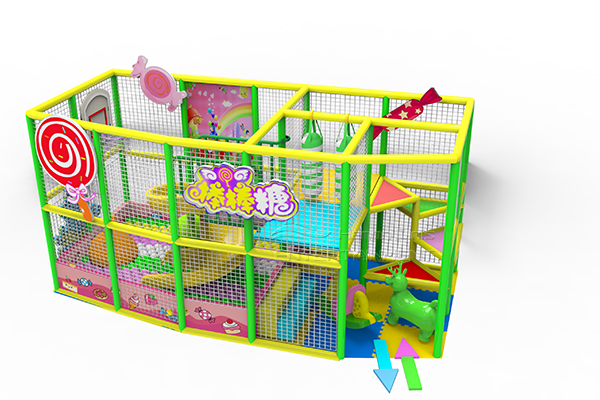
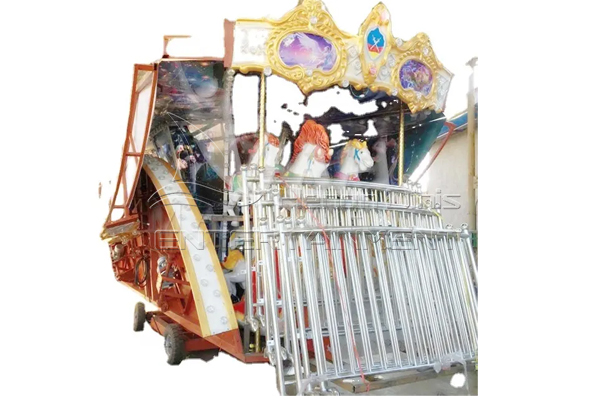
اختر مفهومًا واضحًا: حديقة خارجية غير مزودة بالطاقة, عالم الشريحة, ملعب داخلي, أو حديقة ركوب ميكانيكية. مفهومك يقرر متطلبات الأرض الخاصة بك, حجم الاستثمار, والعملاء المستهدفين. يحتاج مركز الترفيه العائلي داخل مركز تجاري إلى تصميم ومسار إذن مختلف عن حديقة خارجية كبيرة على أرض المدينة, لذا قم بقفل المفهوم مبكرًا. ملكنا خدمة تصميم الحديقة يمكن أن تساعدك على تحويل المفهوم إلى تخطيط.
3. التعامل مع التراخيص والتصاريح في وقت مبكر
تختلف متطلبات التصريح في إندونيسيا حسب المنطقة ونوع العمل, لذا قم بتأكيد القائمة الدقيقة مع السلطات المحلية والمستشار المحلي. على العموم, سوف تحتاج إلى تسجيل الأعمال, تصريح موقع, تصاريح البناء في حالة البناء أو التجديد, وتصاريح التشغيل المتعلقة بالسلامة والترفيه العام. عادةً ما تتطلب الرحلات الميكانيكية والهياكل الكبيرة عمليات فحص وشهادة إضافية. ابدأ هذه العملية مبكرًا, لأن الموافقات غالبا ما تستغرق وقتا أطول من المتوقع.
4. تصميم حول الظروف المحلية
يجب أن يشكل المناخ الاستوائي تصميمك. توفير الظل والصرف للمناطق الخارجية, استخدام مواد مقاومة للأشعة فوق البنفسجية, وفكر في منطقة داخلية للأيام الممطرة والساعات الأكثر حرارة. خطة للعطلات المدرسية, عطلات نهاية الأسبوع, وقمم العيد, عندما يتم تحقيق معظم إيرادات العام. قم بتضمين مساحة للأطعمة والمشروبات وفعاليات الحفلات, مما يرفع متوسط الإنفاق بشكل كبير.
5. حدد مورد المعدات المناسب
اختر موردًا يتمتع بخبرة في التصدير إلى إندونيسيا ودعم التثبيت. اطلب تخطيطات CAD, 3تصاميم د, رسومات الأساس, وثائق الشحن, وقطع الغيار, والتأكد من أن المعدات تلبي المعايير الدولية مثل في 1176. وقفة واحدة مزود مثل YUDINIS يتولى العملية برمتها, لذلك لا يتعين عليك التنسيق بين العديد من المصانع والوكلاء عبر الحدود.
6. إطلاق وتشغيل مع خطة
قم بتعيين أسعار التذاكر وفقًا لنموذج الإيرادات الخاص بك, تدريب الموظفين على السلامة والخدمة, والتخطيط لفتح التسويق لفترة ذات حركة مرور عالية. تتبع الزوار, حجوزات الحفلات, ومبيعات المقاهي من اليوم الأول, ثم اضبط بسرعة. مع الموقع الصحيح, الأوراق, وشريك, يمكن أن تنمو مدينة الملاهي الخاصة بك في إندونيسيا لتصبح مربحة, الوجهة المفضلة للعائلة. اتصل بنا لبدء التخطيط.