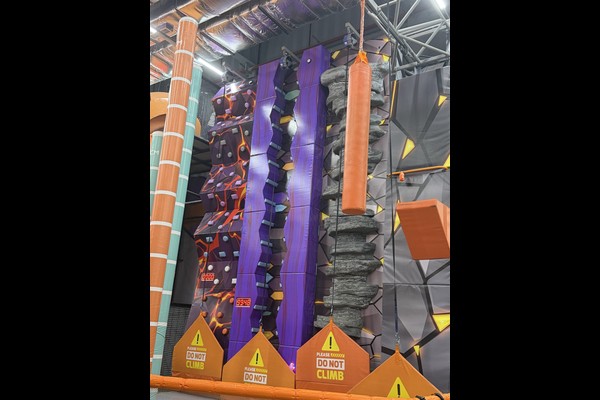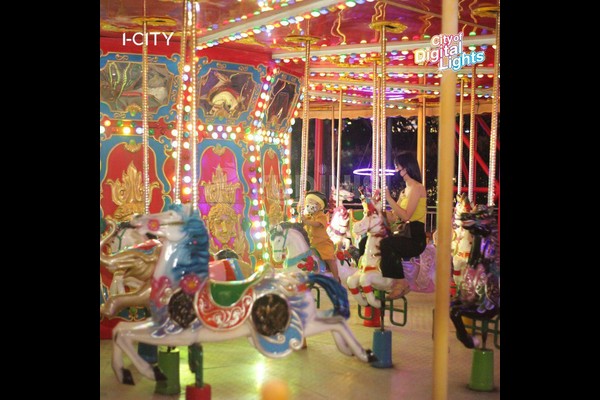
Dua taman dapat memiliki wahana yang sama dan memperoleh jumlah yang sangat berbeda darinya, karena throughput diciptakan oleh operasi, bukan oleh pabrikan.
Inilah cara mengetahui apa yang sebenarnya dihasilkan oleh sebuah perjalanan per jam, dan bagaimana cara memperbaiki kerugian yang paling memakan biaya.
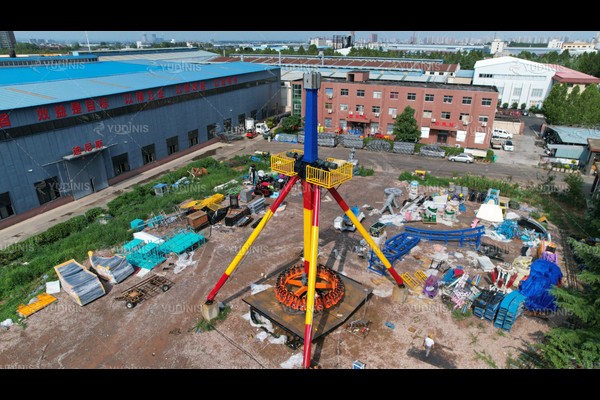
Spesifikasi Utama
| Barang | Referensi |
|---|---|
| Hasil | Pengendara per jam per perjalanan |
| Waktu siklus | Waktu perjalanan ditambah bongkar muat |
| Hambatan utama | Memuat disiplin, bukan mesinnya |
| Desain antrian | Sub antrian dan pengisian grup |
| Perencanaan puncak | Profil akhir pekan dan hari libur |
| Pengukuran | Siklus log per hari operasi |
Semua angka adalah nilai referensi dan dikonfirmasi dalam proposal teknik untuk situs Anda.
Menghitung Throughput Nyata
Mulailah dengan pengendara per siklus, kalikan dengan siklus per jam, lalu kurangi kerugian yang sebenarnya Anda amati. Waktu siklus termasuk pemuatan, pemeriksaan pengekangan, perjalanan itu sendiri dan bongkar, dan biasanya lebih panjang dari gambar brosur. Atur waktu proses selama dua puluh siklus berturut-turut pada jam sibuk, dan perbedaan antara angka teoritis dan angka aktual menunjukkan di mana Anda harus fokus.
Dimana Throughput Hilang
Kerugian terbesar adalah disiplin beban, batching dan penanganan bagasi. Tamu yang mencapai platform sebelum grup sebelumnya menyelesaikan penundaan setiap siklus, dan tas lepas yang tertinggal di peron menambah menit per jam. Tetapkan satu operator untuk melakukan pengelompokan di gerbang dan satu lagi untuk pengekang, tentukan isyarat tangan yang jelas ke kabin kendali, dan mesin yang sama akan menghasilkan lebih banyak pengendara per jam.
Desain Antrian Yang Menghasilkan
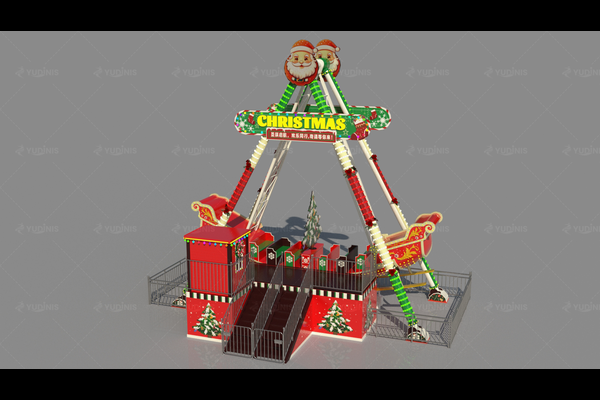
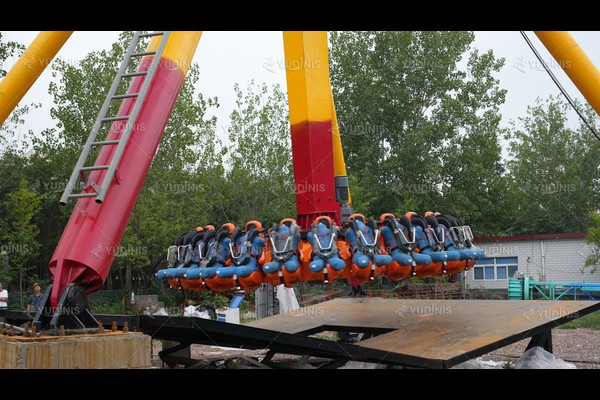
Antrian bukanlah ruang mati. Antrian yang melewati titik foto, pendingin minuman atau jendela upsell mengubah waktu tunggu menjadi pendapatan, dan jalur pengendara tunggal mengisi kursi kosong yang seharusnya kosong. Jaga antrian di dalam tempat teduh, menunjukkan waktu tunggu yang jujur di pintu masuk, dan pastikan jalur keluar tidak melewati pintu masuk – disiplin yang sama yang digunakan pada mesin berkapasitas tinggi seperti milik kami 36 kursi naik kursi ayun.
Ukur, Kemudian Meningkatkan
Catat siklus per hari untuk setiap perjalanan dan tinjau datanya setiap minggu – ini adalah bentuk yang paling sederhana teori antrian diterapkan pada sebuah taman. Ketika satu perjalanan secara konsisten kinerjanya buruk, penyebabnya biasanya karena staf atau prosedur, bukan peralatan, dan itu dapat diperbaiki tanpa belanja modal. Publikasikan perbaikan secara internal, karena operator berkembang paling cepat ketika mereka dapat melihat nomor mereka sendiri.
Pilihan Desain
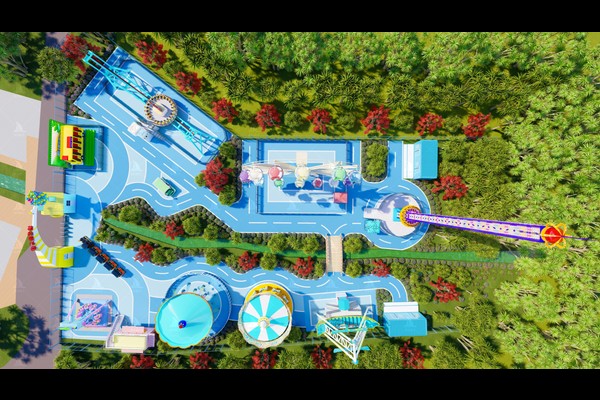
Pilihan spesifik lokasi mencakup: Campuran perjalanan, tata letak antrian dan prosedur operasi.
Kami mengutip secara langsung produsen peralatan dari a 125,000 m² basis produksi, jadi percakapan teknis dan komersial terjadi di tempat yang sama, dengan 20 proyek ekspor bertahun-tahun di balik jawabannya. Pekerjaan proyek meliputi gambar tata letak, daftar peralatan dan dokumentasi bertahap dapat Anda serahkan langsung ke kontraktor lokal.
Beri kami detail situs dan tenggat waktu yang Anda kerjakan – kami akan memetakan fase-fasenya, peralatan dan garis besar biayanya.