Dois parques podem possuir o mesmo passeio e ganhar valores muito diferentes com isso, porque o rendimento é criado pelas operações e não pelo fabricante.
É assim que você descobre o que uma viagem realmente proporciona por hora, e como consertar as perdas que custam mais.
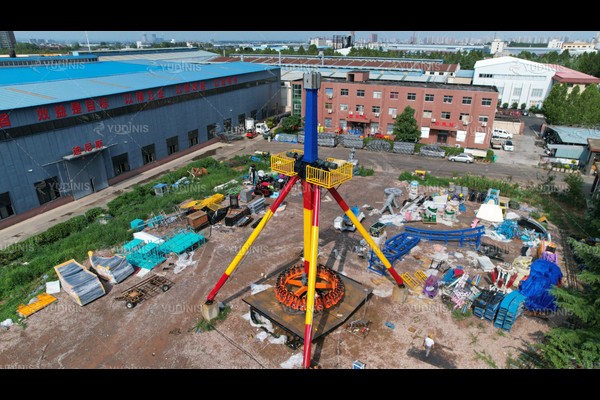
Especificações principais
| Item | Referência |
|---|---|
| Taxa de transferência | Passageiros por hora por viagem |
| Tempo de ciclo | Tempo de viagem mais carga e descarga |
| Gargalo principal | Carregando disciplina, não a máquina |
| Projeto de fila | Subfilas e preenchimento de grupos |
| Planejamento de pico | Perfis de fim de semana e feriados |
| Medição | Ciclos de registro por dia de operação |
Todos os valores são valores de referência e estão confirmados na proposta de engenharia da sua obra.
Calculando o rendimento real
Comece com ciclistas por ciclo, multiplique por ciclos por hora, em seguida, subtraia as perdas que você realmente observa. O tempo de ciclo inclui carregamento, verificação de restrição, o passeio em si e descarregamento, e geralmente é mais longo que a figura do folheto. Cronometre o processo por vinte ciclos consecutivos nos horários de pico, e a diferença entre o número teórico e o real indica onde focar.
Onde a produtividade é perdida
As maiores perdas são a disciplina de carga, loteamento e manuseio de bagagem. Visitantes que chegarem à plataforma antes do grupo anterior ter liberado o atraso a cada ciclo, e sacolas soltas deixadas na plataforma acrescentam minutos por hora. Atribuir um operador para dosagem no portão e outro para restrições, definir um sinal manual claro para a cabine de controle, e a mesma máquina fornecerá visivelmente mais passageiros por hora.
Design de fila que ganha
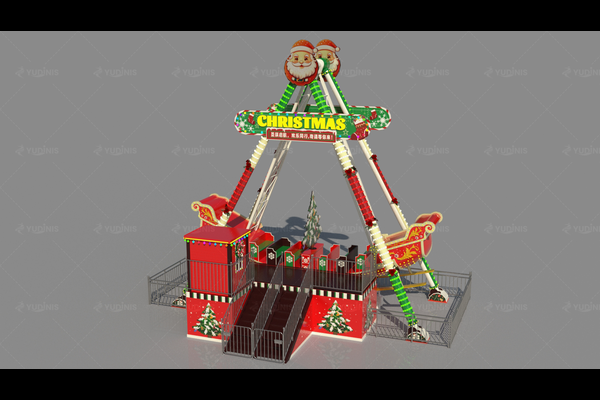
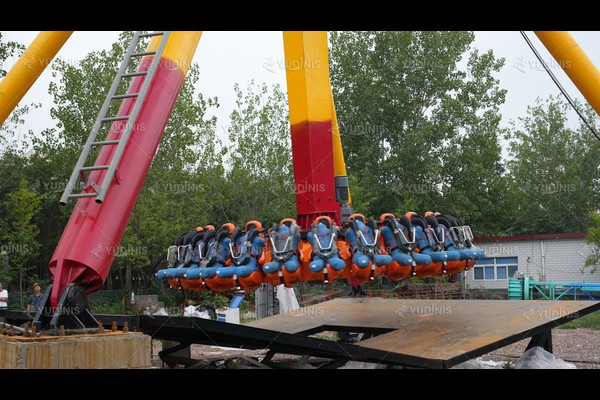
Filas não são espaços mortos. Uma fila que passa por um ponto de foto, um refrigerador de bebidas ou uma janela de upsell transforma o tempo de espera em receita, e uma faixa para um único passageiro preenche assentos vazios que, de outra forma, ficariam vazios. Mantenha a fila na sombra, mostrar um tempo de espera honesto na entrada, e certifique-se de que a rota de saída não cruze a entrada – a mesma disciplina usada em máquinas de alta capacidade, como a nossa 36 assentos passeio de cadeira de balanço.
Medindo, Então melhorando
Registre ciclos por dia para cada viagem e revise os dados semanalmente – esta é a forma mais simples de teoria das filas aplicado a um parque. Quando um passeio tem desempenho consistentemente inferior, a causa geralmente é pessoal ou procedimento, e não equipamento, e pode ser corrigido sem gastos de capital. Publique a melhoria internamente, porque as operadoras melhoram mais rápido quando conseguem ver seus próprios números.
Opções de projeto
As opções específicas do site incluem: Mistura de passeio, layout da fila e procedimentos operacionais.
Citamos como direto fabricante de equipamentos de um 125,000 base de produção m², então a conversa técnica e a comercial acontecem no mesmo lugar, com 20 anos de projetos de exportação por trás da resposta. O trabalho do projeto inclui desenhos de layout, listas de equipamentos e documentação em fases que você pode entregar diretamente a um empreiteiro local.
Forneça-nos os detalhes do site e o prazo que você está trabalhando – vamos mapear as fases, o equipamento e o esboço de custo contra ele.