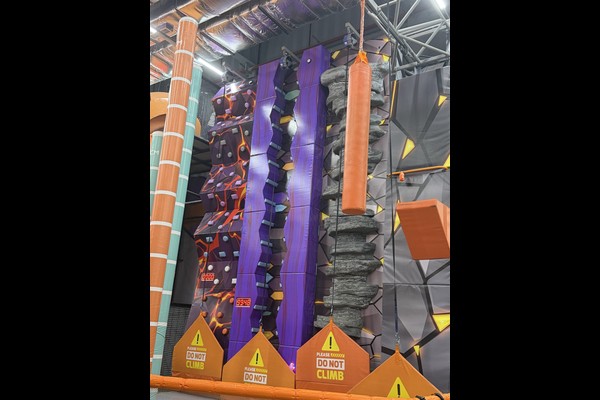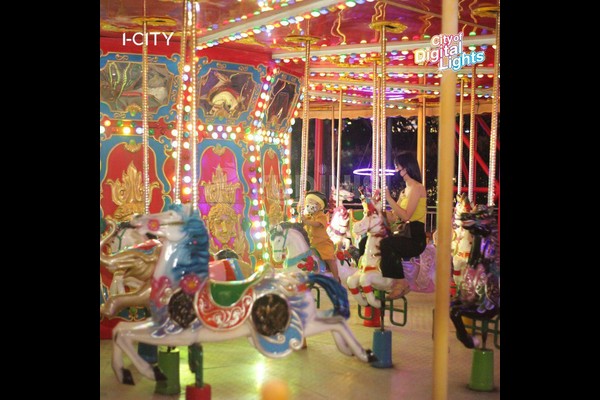
Deux parcs peuvent posséder le même manège et en tirer des revenus très différents, parce que le débit est créé par les opérations plutôt que par le fabricant.
Voici comment déterminer ce qu'un trajet offre réellement par heure, et comment réparer les pertes qui coûtent le plus cher.
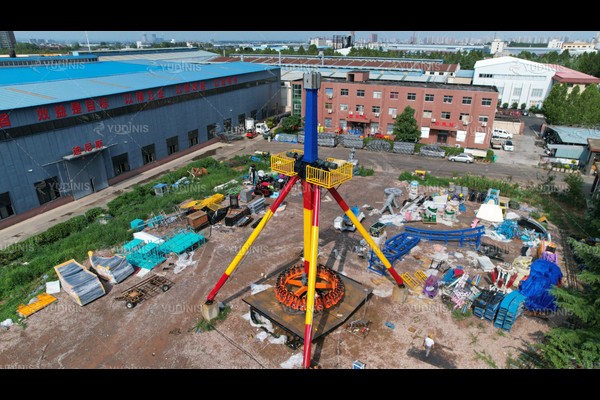
Spécifications clés
| Article | Référence |
|---|---|
| Débit | Passagers par heure et par trajet |
| Temps de cycle | Temps de trajet plus chargement et déchargement |
| Principal goulet d’étranglement | Chargement de la discipline, pas la machine |
| Conception de file d'attente | Sous-files d'attente et remplissage de groupes |
| Planification des pics | Profils week-end et vacances |
| Mesures | Enregistrer les cycles par jour de fonctionnement |
Tous les chiffres sont des valeurs de référence et sont confirmés dans la proposition d'ingénierie de votre site.
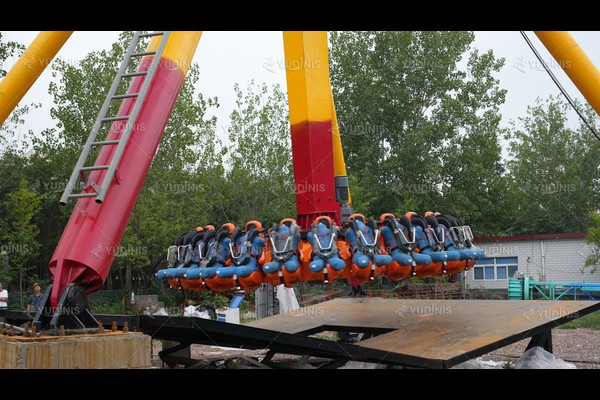
Calcul du débit réel
Commencez avec des coureurs par cycle, multiplier par cycles par heure, puis soustrayez les pertes que vous observez réellement. Le temps de cycle inclut le chargement, vérification des dispositifs de retenue, le trajet lui-même et le déchargement, et il est généralement plus long que le chiffre de la brochure. Chronométrez le processus pendant vingt cycles consécutifs aux heures de pointe, et la différence entre le nombre théorique et réel vous indique sur quoi vous concentrer.
Où le débit est perdu
Les plus grosses pertes sont la discipline de charge, traitement des lots et des bagages. Les invités qui atteignent la plate-forme avant que le groupe précédent ne soit libéré sont retardés à chaque cycle., et les sacs en vrac laissés sur la plateforme ajoutent des minutes par heure. Affectez un opérateur au dosage à la porte et un autre aux contentions, définir un signal manuel clair à la cabine de contrôle, et la même machine fournira sensiblement plus de passagers par heure.
Une conception de file d'attente qui rapporte
Les files d'attente ne sont pas des espaces morts. Une file d'attente qui passe devant un point photo, une glacière à boissons ou une fenêtre de vente incitative transforme le temps d'attente en revenus, et une voie réservée à un seul passager remplit des sièges vides qui autrement rouleraient vides. Gardez la file d'attente à l'ombre, afficher un temps d'attente honnête à l'entrée, et assurez-vous que la route de sortie ne traverse pas l'entrée – la même discipline utilisée sur les machines de grande capacité telles que notre 36 sièges balançoire chaise balade.
Mesurer, Puis amélioration
Enregistrez les cycles par jour pour chaque trajet et examinez les données chaque semaine – c'est la forme la plus simple de théorie des files d'attente appliqué à un parc. Quand on roule constamment sous-performe, la cause est généralement le personnel ou la procédure plutôt que l'équipement, et cela peut être corrigé sans dépenses en capital. Publier l'amélioration en interne, parce que les opérateurs s'améliorent plus rapidement lorsqu'ils peuvent voir leurs propres chiffres.
Options de conception
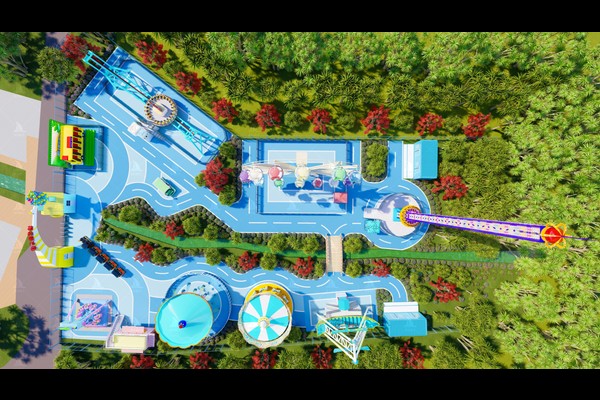
Les choix spécifiques au site incluent: Mélange de balades, disposition des files d'attente et procédures d'exploitation.
Nous citons comme direct fabricant d'équipement d'un 125,000 m² de base de production, donc la conversation technique et la conversation commerciale se déroulent au même endroit, avec 20 des années de projets d’exportation derrière la réponse. Le travail du projet comprend des dessins d'implantation, des listes d'équipements et une documentation progressives que vous pouvez remettre directement à un entrepreneur local.
Donnez-nous les détails du chantier et la date limite à laquelle vous travaillez – nous cartographierons les phases, l'équipement et le coût indiqué par rapport à celui-ci.