Before opening any family entertainment business, every investor asks the same question: how much does an indoor playground cost, and how fast can I get my money back? The honest answer is that returns depend on location, pagpresyo, and operation, but a clear model helps you evaluate any project with real numbers. Based on our project planning data, here is how a typical Indoor Playground business works financially.
What You Invest
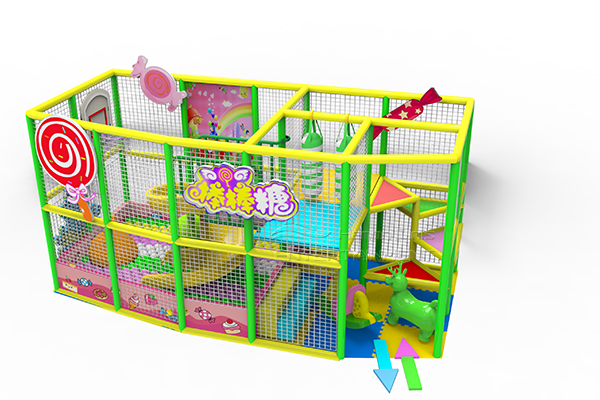
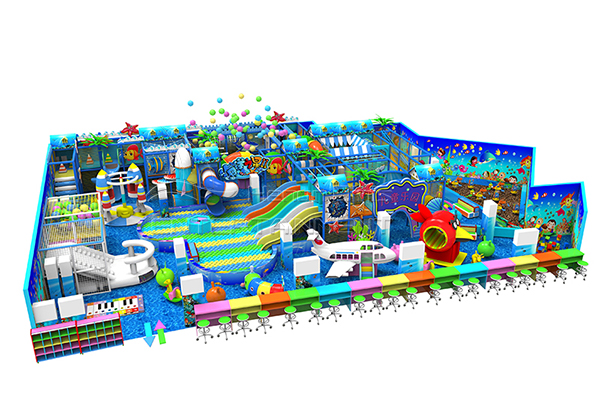
For a commercial indoor playground of roughly 430-480 metro kwadrado, the equipment investment is typically in the range of 50000-65000 USD. This covers the soft play structure, mga lungag sa bola, slides, themed decoration, and the design work behind them. On top of equipment, you should budget for site preparation, shipping and customs, pag-instalar, rent, staffing, and marketing. Most operators use a business plan that separates one-time equipment costs from monthly operating costs, because the two behave very differently.
What You Earn
Our operating model for this size of facility assumes average daily traffic, a ticket price of 6-8 USD, and operation through weekdays and weekends. Under those assumptions, weekly ticket revenue can reach roughly 6600-20000 USD depending on visitor flow, with weekends contributing the largest share. After subtracting rent, staffing, electricity, and maintenance, the model shows a monthly net profit in the range of 15400-16900 USD. At that level, the equipment investment can be recovered in about three to five months, before local variations in rent, taxes, and marketing are considered.
The Variables That Change the Answer
The model above is a planning tool, not a promise. The biggest variables are location, ticket price, and occupancy. A mall location with high foot traffic can exceed the model, while a low-traffic site may take longer to reach the same numbers. Secondary revenue streams improve the picture: birthday party packages, memberships, café sales, and school group programs often add 20-30 percent on top of tickets. That is why we always design indoor playgrounds with party rooms and parent areas, not just play equipment. If you are also considering an indoor trampoline park, the same model applies.
How to Plan Your ROI Correctly
Start with a realistic visitor forecast based on comparable venues in your city, then build a simple monthly model: ticket revenue plus party and café income, minus rent, staff, utilities, and maintenance. Use that model to decide the equipment budget you can afford and the payback period you need. Ask your indoor playground supplier for an equipment list and design that supports your target ticket price and capacity, because layout directly affects how many visitors the space can serve per hour. For reference, quality equipment should meet international safety standards such as SA 1176, which directly affects material quality and long-term maintenance costs.
Get a Custom Revenue Model
If you are evaluating an indoor playground project, YUDINIS can prepare a layout concept, equipment quotation, and operating model based on your space and market. Contact us to discuss your numbers. Knowing the indoor playground cost, the expected revenue, and the payback period before you sign anything is the best way to invest with confidence.