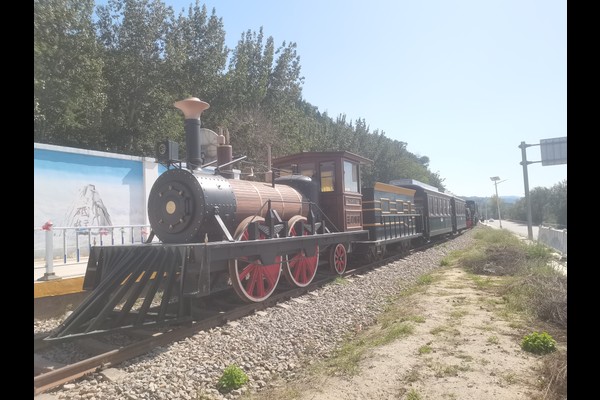
A trackless train moves guests across a site that has no rails and never will – which makes it the cheapest way to solve circulation in a large park.
This project shows how the train becomes the transport spine of a site rather than simply another attraction.
Pagrindinės specifikacijos
| Prekė | Nuoroda |
|---|---|
| Projekto tipas | Trackless tourist train |
| Route | Paved loop with boarding stations |
| Pajėgumas | Multi carriage configuration |
| Galia | Diesel or electric per site |
| Operacija | Continuous service on a fixed loop |
| Palaikymas | Driver training and service schedule |
Visi skaičiai yra pamatinės vertės ir yra patvirtinti jūsų svetainės inžineriniame pasiūlyme. Diesel and electric versions suit different sites, depending on engine characteristics and duty cycle. See diesel engine for background.
Route Planning and Stations
The route is planned like a transport line: wide enough for the carriages to pass safely, avoiding steep gradients, and with boarding points where guests naturally arrive. Stations were placed at the entrance, the middle of the park and the far end, so the train reduces walking distance instead of adding a tour. Clear signage and a fixed timetable keep the service predictable.
Choosing the Configuration
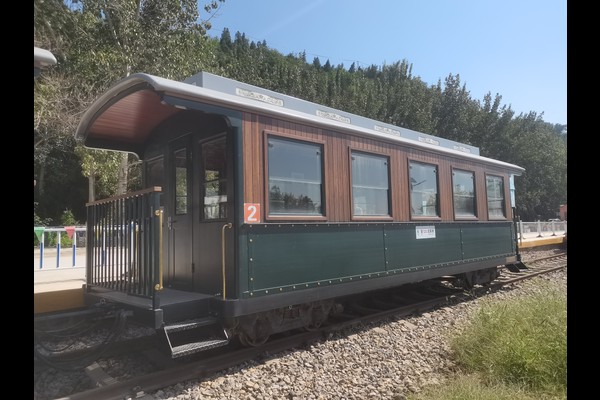
Carriage count follows the peak flow between stations, and the length of the train has to suit the tightest corner on the route. Diesel and electric versions each suit different sites: electric trains suit indoor or enclosed areas and quieter zones, while diesel suits long outdoor loops. Mūsų 70 seats trackless tourist train is the configuration used on this project.
Driver Training and Guest Safety
Drivers are trained on the actual route: speed limits at corners, stopping positions at stations, boarding rules and what to do if a guest stands up. Each station needs an attendant during peak hours to control boarding and keep the path clear. Written boarding and alighting rules protect both the service and the park.
Servicing a Working Vehicle
A train works every day, so servicing is scheduled rather than reactive: daily checks on brakes, tyres, lights and coupling joins, weekly inspection of the drive and steering, and a monthly review of the chassis. Keeping a spare wheel set, brake pads and lamps on site means the train stays in service instead of becoming a parked attraction.
Ką galite pritaikyti
Ši informacija atitinka jūsų parką: Route layout, carriage design, pajėgumas, power type and livery.
Cituojame kaip tiesioginį įrangos gamintojas iš a 125,000 kv.m gamybinę bazę, taigi techninis pokalbis ir komercinis vyksta toje pačioje vietoje, su 20 metų eksporto projektai. Projekto darbai apima maketavimo brėžinius, Laipsniškus įrangos sąrašus ir dokumentus galite perduoti tiesiai vietiniam rangovui.
Atsiųskite savo sklypo planą, biudžeto diapazonas ir tikslinė atidarymo data – grąžinsime laipsnišką pasiūlymą, kurį galėsite pateikti tiesiai į savo valdybą.