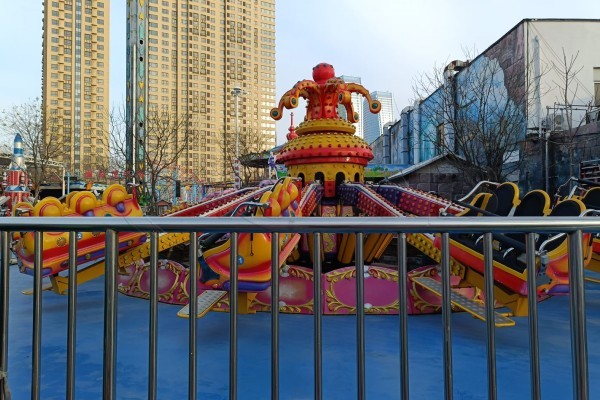
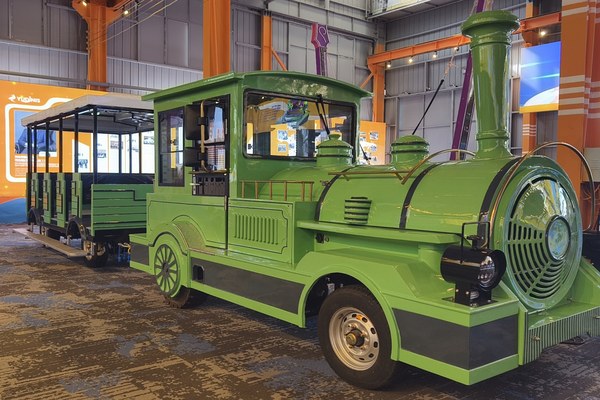
Un tren sin rieles transporta a los visitantes a través de un sitio que no tiene rieles y nunca los tendrá – lo que la convierte en la forma más económica de solucionar la circulación en un gran parque.
Este proyecto muestra cómo el tren se convierte en la columna vertebral del transporte de un lugar y no simplemente en una atracción más..
Especificaciones clave
| Artículo | Referencia |
|---|---|
| Tipo de proyecto | Tren turístico sin rieles |
| Ruta | Circuito pavimentado con estaciones de embarque |
| Capacidad | Configuración de carro múltiple |
| Fuerza | Diésel o eléctrico por sitio |
| Operación | Servicio continuo en circuito fijo |
| Apoyo | Calendario de formación y servicio de conductores. |
Todas las cifras son valores de referencia y están confirmados en la propuesta de ingeniería para su sitio.. Las versiones diésel y eléctrica se adaptan a diferentes sitios, dependiendo de las características del motor y el ciclo de trabajo. Ver motor diésel para el fondo.
Planificación de rutas y estaciones
La ruta está planificada como una línea de transporte.: lo suficientemente ancho para que los vagones pasen con seguridad, evitando pendientes pronunciadas, y con puntos de embarque donde los huéspedes llegan naturalmente. Se colocaron estaciones en la entrada., el medio del parque y el otro extremo, entonces el tren reduce la distancia a pie en lugar de agregar un recorrido. Una señalización clara y un horario fijo mantienen el servicio predecible..
Elegir la configuración
El conteo de transporte sigue el flujo máximo entre estaciones, y la longitud del tren tiene que adaptarse a la curva más cerrada de la ruta. Las versiones diésel y eléctrica se adaptan a diferentes sitios: Los trenes eléctricos se adaptan a áreas interiores o cerradas y zonas más tranquilas., mientras que el diésel se adapta a largos circuitos al aire libre. Nuestro 70 asientos tren turístico sin rieles es la configuración utilizada en este proyecto.
Capacitación de conductores y seguridad de los huéspedes
Los conductores reciben formación sobre la ruta real.: límites de velocidad en las curvas, posiciones de parada en las estaciones, reglas de embarque y qué hacer si un huésped se levanta. Cada estación necesita un asistente durante las horas pico para controlar el embarque y mantener el camino despejado.. Las normas escritas para subir y bajar protegen tanto el servicio como el parque..
Mantenimiento de un vehículo en funcionamiento
Un tren funciona todos los días., por lo que el servicio es programado en lugar de reactivo: controles diarios de frenos, llantas, luces y juntas de acoplamiento, Inspección semanal de la transmisión y la dirección., y una revisión mensual del chasis. Mantener un juego de ruedas de repuesto, pastillas de freno y lámparas en el lugar significan que el tren permanece en servicio en lugar de convertirse en una atracción estacionada.
Lo que puedes adaptar
Los siguientes detalles se corresponden con su parque.: Diseño de ruta, diseño de carro, capacidad, tipo de potencia y librea.
Citamos como directo. fabricante de equipos de un 125,000 base de producción en metros cuadrados, para que la conversación técnica y la comercial pasen en el mismo lugar, con 20 Años de proyectos de exportación detrás de la respuesta.. El trabajo del proyecto incluye dibujos de diseño., Listas de equipos por fases y documentación que puede entregar directamente a un contratista local..
Envía tu plano de parcela, rango de presupuesto y fecha de apertura objetivo – Le devolveremos una propuesta gradual que podrá llevar directamente a su junta directiva..