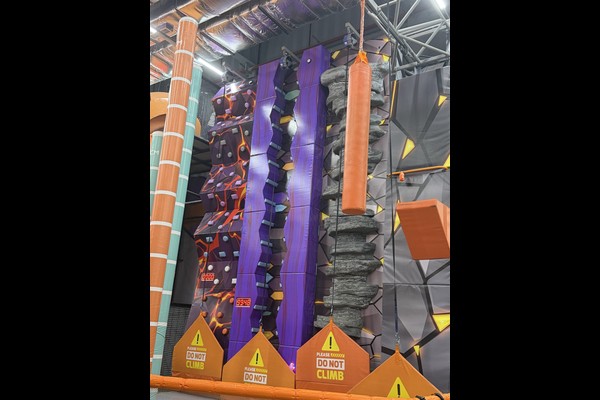
At 1000 square metres one structure is enough to fill the park. At 5000 square metres the same structure becomes a bottleneck, and the challenge turns into circulation.
Indonesian clients often ask for a bigger non-powered park than they actually need, so this is the guide we use to explain what scale really delivers.
Key Specifications
| Item | Reference |
|---|---|
| Plot scale | 1,000 to 5,000 sq m |
| Anchor strategy | One landmark structure per zone |
| Circulation | Loop routes with no dead ends |
| Service points | Seating, shade and F&B per zone |
| Play to walkway ratio | Planned, not left over |
| Phasing | Build by zone rather than by equipment type |
All figures are reference values and are confirmed in the engineering proposal for your site.
What Changes as the Plot Grows
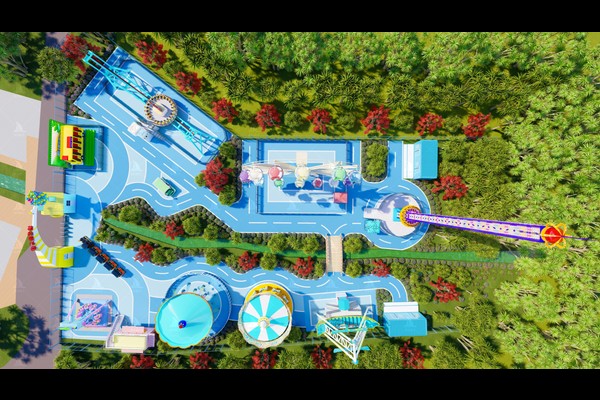
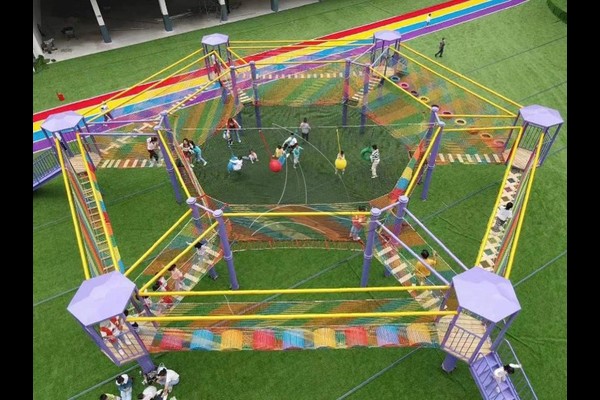
Between 1000 and 2000 square metres, a single anchor structure with supporting play and seating still works well. Beyond 2500 square metres, guests cannot see the whole park from one point, and the design must split into zones with their own smaller anchors. Past 4000 square metres the park starts to behave like a small destination: it needs more than one entrance option, a real service building and a maintenance access route.
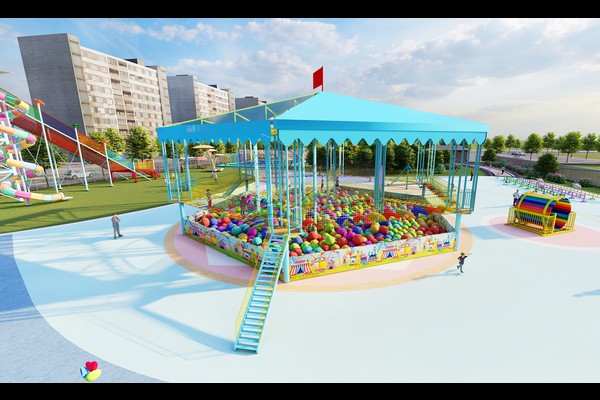
One Landmark per Zone
The rule that keeps large non-powered parks legible is one landmark per play zone – a slide complex in one, a climbing castle in another, a water or sand play area in a third. Guests then move between landmarks rather than wandering, and each zone can be opened, staffed and maintained independently. The zoning logic is explained further in our guide to planning a non powered amusement park in Indonesia. It also means a park can open the first zone and add the second when revenue allows, instead of waiting for one enormous build.
Circulation, Sight Lines and Services
Walkways should form loops, not dead ends, and each zone needs seating within sight of its play equipment. Add shade over the busiest structures before adding more equipment, because in tropical heat shade determines how long families stay. Service points – toilets, drinks, first aid – should be reachable from every zone within a minute on foot, and maintenance access must reach each structure without crossing the play area.
Surfacing and Maintenance at Scale
At 5000 square metres the maintenance workload scales with the play area, not with the guest numbers. Loose fill surfacing, wet pour rubber and tiles all behave differently under heavy rain, so choose per zone and record depths on a plan. A simple weekly route that follows the walkway, checking netting, bolts and surfacing on the way, keeps a large park compliant under EN 1176 based inspection practice.
Made to Fit Your Park
Everything visible is yours to define: Zone plan, equipment mix, shade design, service buildings and phasing.
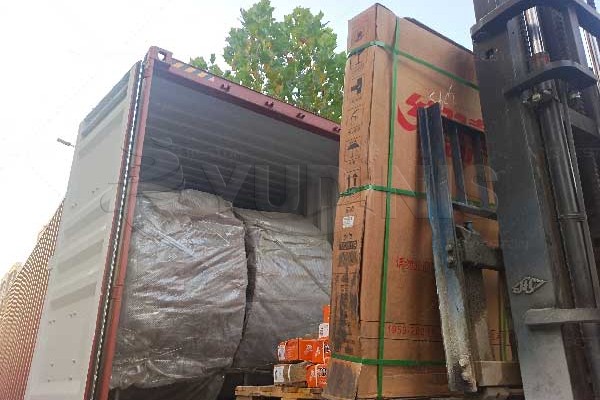
Buying from the factory means dealing with the people who weld the frame and wire the control panel – 20 years of export experience, and a 125,000 sqm facility that produces, tests and container-loads this equipment. Non-powered structures ship with fall height data and surfacing recommendations for every platform and slide exit.
Share the site layout and we will produce a zone plan showing structures, surfacing, drainage and the sequence to build them in.