Water is the strongest seasonal product a tropical park can own, and it is also the one most often designed backwards – equipment first, plant room last.
This is how a turnkey water project is put together so that the water stays clean, the lifeguards can see everything and the park can open in phases.
Key Specifications
| Item | Reference |
|---|---|
| Scope | Design, equipment, installation support |
| Water products | Slide complex, splash zone, frame pool, challenge course |
| Site needs | Water supply, drainage and a plant room |
| Water treatment | Filtration, circulation and dosing |
| Operations | Lifeguards, session rules, testing log |
| Phasing | Start with one water zone and expand |
All figures are reference values and are confirmed in the engineering proposal for your site.
What a Turnkey Water Solution Includes
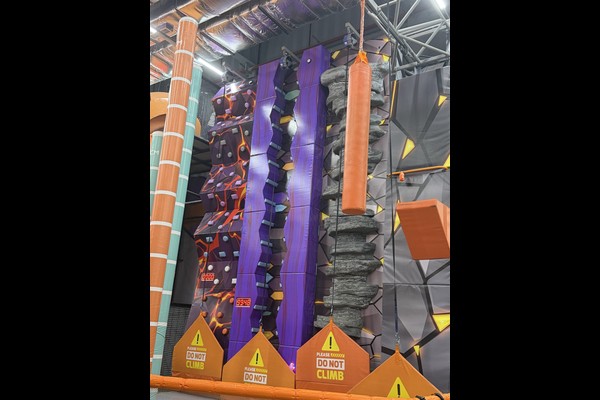
A complete solution covers the layout of the water zones, the equipment list with drawings, the water treatment and circulation design, installation support and the operating documents – rules, testing routines and maintenance schedules. Products are matched to the water area and the guest profile: a slide complex for older children, splash play for families, a frame pool for supervised swimming and a challenge course for teenagers. Our steel frame pool is often the first element, because it can be installed, tested and moved if the site changes.
Matching Products to the Site
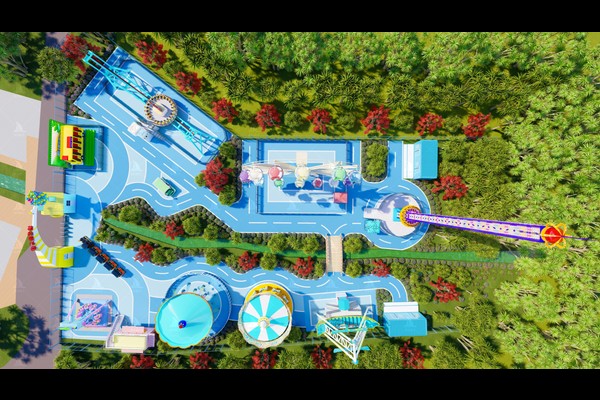
The water area decides the product mix more than the budget does. Depth, footprint, access for maintenance and the position of the pump room all constrain what can be installed, so the first drawing should show the plant room, the circulation route and the lifeguard sight lines before any attraction is placed. Where the site has no water at all, an inflatable or frame based solution can open a water zone in weeks rather than seasons.
Water Treatment and Hygiene
Water quality is invisible until it fails. Design the circulation for a full turnover each day, include strainers and debris screens upstream of the pumps, plan dosing and testing routines with a written log, and train at least two staff to test and record. A park running several wet attractions should also have one trained water technician responsible for all of them, rather than relying on ride operators to handle chemicals.
Lifeguards, Rules and Maintenance
Supervision is the safety system in a water park. Set lifeguard stations so every blind spot is covered, define maximum guests per zone, enforce height and swimming rules at entry, and rehearse the evacuation procedure. Maintenance follows the same rhythm as the treatment plan, with daily checks of pumps, filters and drains, and monthly inspection of water treatment equipment, deck surfaces and handrails.
What You Can Tailor
Customization covers the parts guests actually notice: Zone layout, product mix, theming, changing facilities and phasing.
We build attractions rather than resell them, which is why technical questions come back as drawings instead of brochures – and why a 125,000 sqm production base can absorb customisation without moving your delivery date. Water systems are engineered against your site, so the plant room, decking and drainage are part of the same drawing set.
Tell us the water area and depth you have – we will propose the attraction mix, the circulation design and the operating rules that go with it.