Two parks with identical rides can differ by 40 percent in revenue purely because of how they sell entry – ticketing is the highest leverage decision in the business.
This is the framework we work through with operators before they choose equipment, because the ticket model decides what the park should actually build.

Key Specifications
| Item | Reference |
|---|---|
| Entry models | Free entry, paid entry, entry plus rides |
| Unlimited options | Wristbands and day passes |
| Credit systems | Cashless cards and stored value |
| Sessions | Timed entry for capacity control |
| Groups | School trips and family packages |
| Measurement | Revenue per guest and per hour |
All figures are reference values and are confirmed in the engineering proposal for your site. Pricing that changes with demand is a form of revenue management, and it works in parks exactly as it does in hotels.

Choosing the Entry Model
Free entry with paid rides lowers the barrier and suits parks with passing footfall and a strong food offer. Paid entry with unlimited rides suits enclosed parks where guests stay for hours, and it makes revenue predictable. A mixed model – free entry, paid zone, paid extras – works well for indoor venues where the cafe and arcade carry part of the income. The right choice depends on the site, not on tradition.
Designing the Pricing Ladder
A good ladder gives guests three clear choices: a short visit, a full day and a family package. Each step should be obviously better value than the one below, and the middle option is normally the one you want most guests to take. Keep the structure simple enough to explain in one sentence at the gate, because pricing that needs a conversation slows the queue and reduces conversion.
Capacity, Sessions and Peak Days
If the park has a comfortable capacity limit, sessions or timed entry protect the guest experience on holidays and give staff a clear control tool. Session length should match the natural visit time, and the last session of the day should be priced and marketed for the after work crowd. Capacity data from ticketing is also the evidence you need when deciding whether to add a ride.
What to Measure
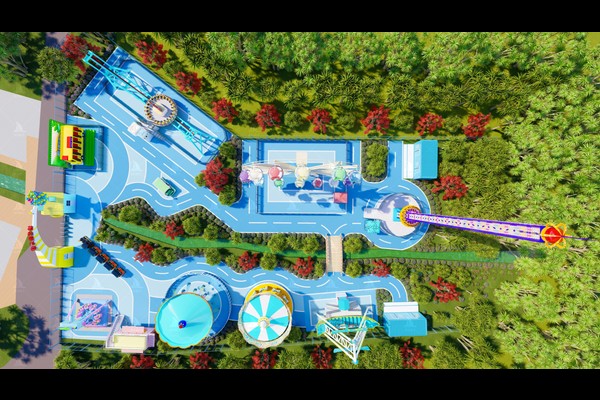
Track revenue per guest, spend per hour, repeat visit rate and the share of guests buying food or extras. A family park with a strong ticket model typically lifts revenue through spend per guest rather than through more visitors, and pairing the ticket structure with attractions such as a family amusement park package makes that spend easier to capture.
Design Options
Customization covers the parts guests actually notice: Ticket model, pricing structure and capacity rules.
Twenty years of manufacturing and export stand behind this product, produced in a 125,000-square-metre facility with in-house design, tooling and quality control. Family rides ship with restraint specifications, cycle profiles and capacity figures for each configuration.
Tell us where the ride will stand and who should be able to ride it – we will confirm the model, the footprint and the quotation.