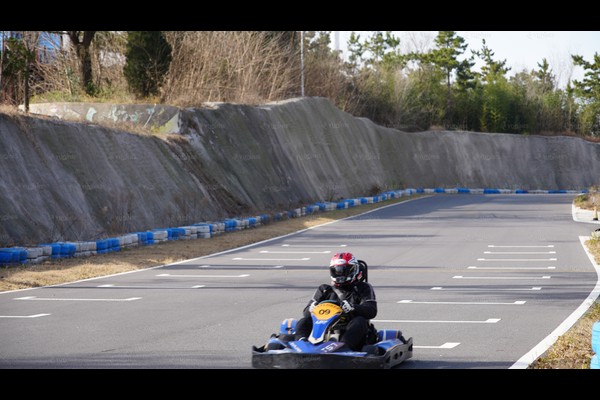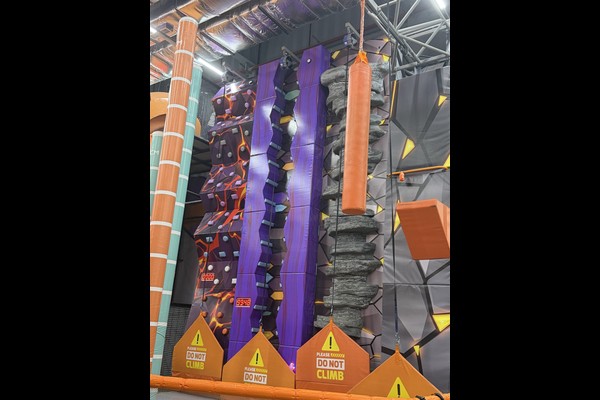
A non-powered park designed in Europe and rebuilt in Indonesia fails on two things: shade and drainage. Everything else is easier to fix.
These are the adjustments we make when a non-powered park is planned for an Indonesian site rather than a temperate one.
Key Specifications
| Item | Reference |
|---|---|
| Climate | Heat, humidity and heavy seasonal rain |
| Shade | Priority over the busiest structures |
| Drainage | Surface falls and drains in every zone |
| Surfacing | Wet pour, tiles or engineered fill per zone |
| Staffing | Two to four attendants plus a supervisor |
| Phasing | Anchor structure first, water and F&B later |
All figures are reference values and are confirmed in the engineering proposal for your site.
Design for Heat Before You Design for Equipment
Guests decide within minutes whether a park is comfortable, and shade decides that. Put shade over the busiest play structures, the toddler zone and the seating before adding another attraction, and use planting and shade sails rather than buildings so air keeps moving. Metal slides and dark rubber surfaces need particular attention, because an unshaded surface in the afternoon can be unusable regardless of how good the equipment is.
Drainage Is Not an Optional Detail
Tropical rain arrives fast and leaves slowly if the layout does not shed water. Set the falls so that each play zone drains to a defined low point, keep standing water out of landings and walkways, and design drainage before the surfacing is chosen, and check that loose fill surfacing cannot wash away into drains. A park that drains well reopens within an hour of heavy rain; one that does not may lose the whole afternoon.
Staffing and Operating Reality
Non-powered parks are cheap to run only if the operating model matches the staff you can actually employ. Two to four attendants plus a supervisor is a realistic peak team for a 1000 to 1500 square metre play area, and each zone should be visible from a staffed position. Write the routine – opening checks, zone rotation, closing inspection – because unmaintained equipment fails far more often than equipment that is used hard.
Phasing the Build for Cash Flow
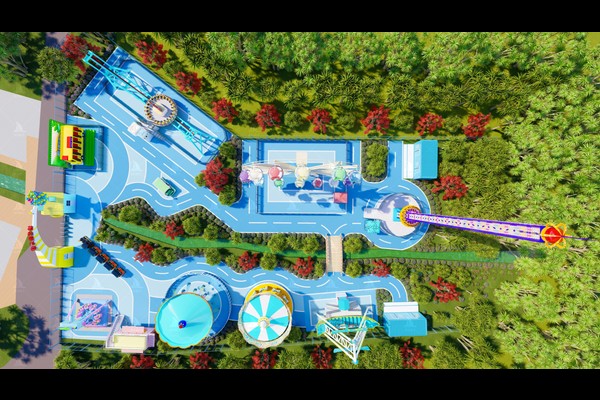
Build the anchor structure and the safe surfacing first, then add the second zone, water play and food service as revenue allows. The growth path from 1000 to 5000 square metres follows the same logic we set out in our guide to scaling a non powered park, and phased sites consistently open earlier than single phase projects of the same final size.
Customization
What you can tailor: Layout, shade strategy, surfacing specification and phasing.
As a direct supplier we control the whole chain: engineering, production, factory testing and export packing all take place inside a 125,000 sqm production base, and the spare parts list follows the machine to your site. Non-powered structures ship with fall height data and surfacing recommendations for every platform and slide exit.
Send your plot plan and surfacing preference – we will return a layout with fall heights, shade strategy and a phased equipment list.