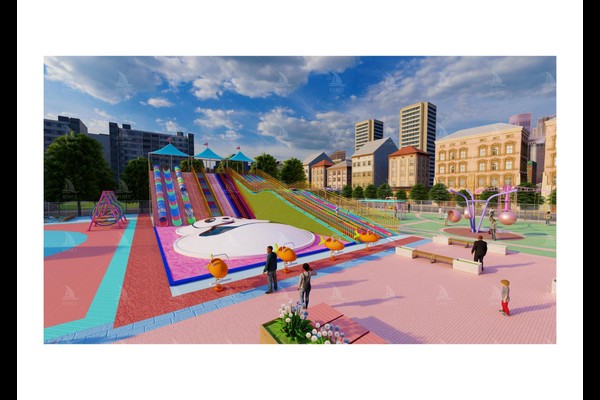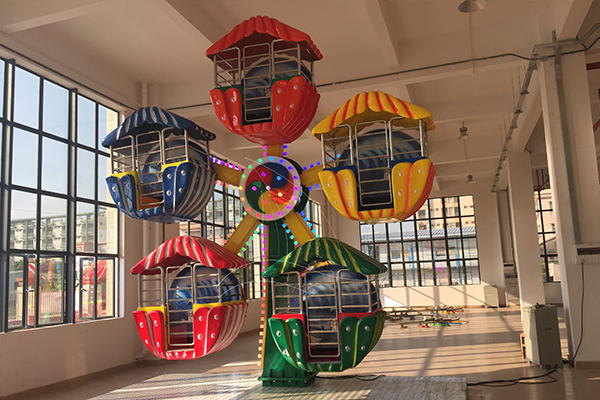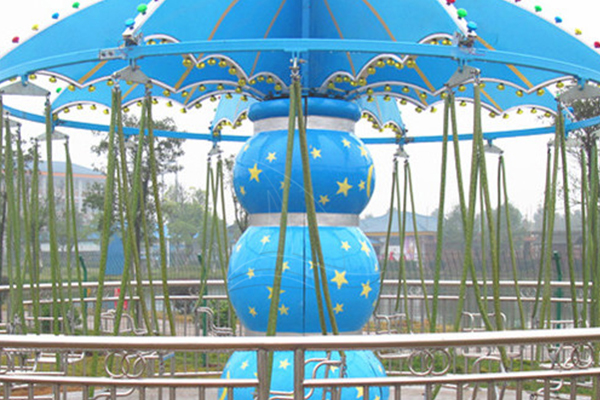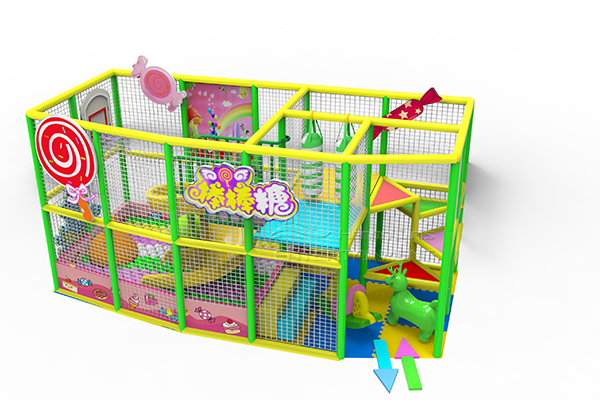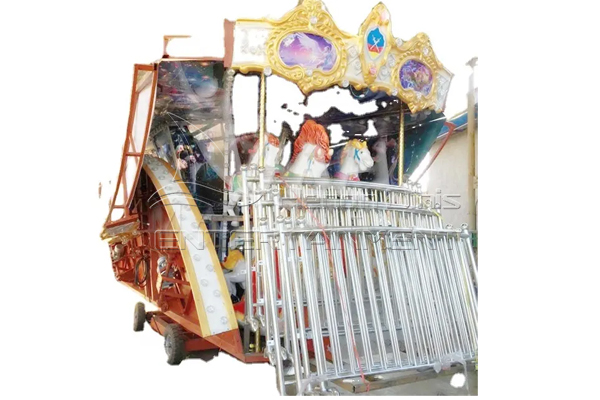
Opening a park in Indonesia is really two projects running in parallel: a property project (space, fit-out, equipment) and a licensing project (company, building approval, fire, tourism registration). Almost every project that misses its opening date misses it on the second one, because the permits are handled late and each one waits for the one before it.
This is the sequence we see work, in the order that keeps the critical path short. Requirements differ between kabupaten and kota, so use it as a checklist to interrogate your local consultant rather than as legal advice.
1. Choose the Model Before the Location
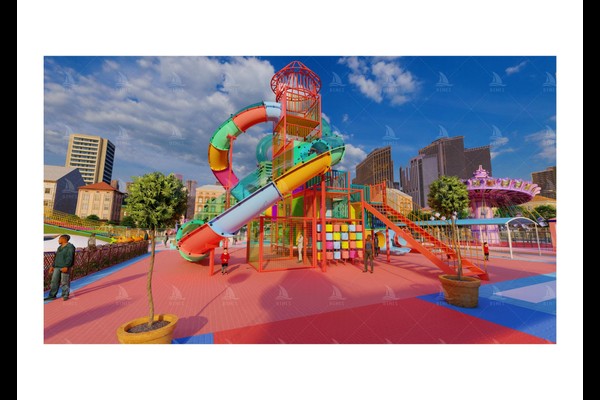
A mall unit, a standalone plot and a resort attraction are three different businesses with three different cost structures. Deciding the model first stops you from signing a lease that cannot support the concept. The 2026 investment guide compares capex, staffing and payback for each, and the site selection guide covers the numbers to check before signing.
2. Test the Location With Two Numbers
Two ratios decide whether a site can work: rent per m² per month against projected revenue per m², and catchment population within 20 minutes. A mall unit at 25-45 USD/m²/month needs a ticket price and dwell time that most suburban plots do not; a standalone site at 3-8 USD/m²/month can survive on weekend traffic but needs parking and a reason to drive there.
Ask for the service charge, the fit-out deposit, the marketing levy and the lease term in writing before you model anything. In Indonesian malls the deposit and service charge often equal 20-40% of the total project cost, and they are due before the first ticket is sold.
3. Size the Concept, Not the Room
Work backwards from throughput. A play area supports roughly one child per 2-3 m² of usable floor at peak, so a 500 m² venue holds 150-200 children – and 250-350 adults. That number sets the toilets, the seating, the shoe racks, the ticket lanes and the car park. Sizing by floor area alone produces venues where the play area works and everything around it fails on a Saturday.
4. Start the Licensing File Early
| Instrument | What it covers | When to start |
|---|---|---|
| Company and business ID | NIB through the OSS system; PT or PT PMA depending on ownership | Before contracts and imports |
| Building approval | PBG (building approval) and SLF (certificate of functional suitability) | Before fit-out and before opening |
| Fire safety | Local fire department review of egress, extinguishers, alarms and materials | During fit-out |
| Tourism business registration | Regional tourism office; requirements vary by kabupaten/kota | Before opening |
| Ride inspection | Regional technical inspection for mechanical rides; third-party report where required | Before commissioning rides |
| Environment | SPPL or higher, depending on scale and waste water | Before construction |
The order matters: the NIB unlocks the import documents, the PBG unlocks the fit-out, and the SLF is what the fire and tourism inspections hang from. A project that starts fit-out before PBG is approved can be asked to strip it back.
5. Design for the Climate Before the Equipment
Decide shade, drainage and airflow before you choose rides. In practice that means 40-60% shade over outdoor play, surface falls of 1-1.5% away from equipment, no ponding within 3 m of footings, and cross-ventilation in any enclosed hall – an air-conditioned box with a glass roof is the most expensive mistake in the category.
If the site floods, no equipment specification saves it. Check the local flood history and the level of the nearest drain before you sign, not after the first December.
6. Buy Equipment With the Documentation, Not Just the Price
Compare quotes on the same specification sheet: steel gauge, panel thickness, surfacing and padding, and the number of play elements. Then ask what arrives with the container – assembly drawings, load calculations, material and fire certificates, a spare parts list and an operations manual. Equipment designed to EN 1176 should come with the paperwork to prove it, because the inspection asks for documents rather than samples.
Payment structure protects both sides: a deposit to start production, a balance against the pre-shipment inspection report, and the final payment on documents. If a supplier will not accept an inspection before shipment, that is the answer to the question.
7. Staff for Supervision, Train for Emergencies
Play areas run at roughly one attendant per 15-20 children at peak, plus a ticket desk, a cafe and a cleaner. Train three things beyond the routine: how to spot a child separated from a parent, how to clear a zone in an evacuation, and how to record an incident so the insurance claim is possible. Write the daily opening checklist before you hire, not after the first accident.
8. Pre-Opening: Test, Insure, Then Market
Run the site with staff families for a week before the public opening. It surfaces the queue that blocks the fire exit and the shoe rack that is 30 cm too small – cheap to fix then, expensive later. Confirm public liability cover and the equipment warranty terms in the same week, and only then start paid marketing; advertising a venue that is not ready is the most common way to waste a launch budget.
| Timeline | Milestone |
|---|---|
| Month 1 | Model, site shortlist, company and NIB |
| Month 2 | Lease signed, PBG submitted, concept and layout |
| Month 3-4 | Equipment order, fit-out starts, fire review |
| Month 5 | Container arrives, installation, staff training |
| Month 6 | SLF, inspections, soft opening, public launch |
Six months is achievable for a 500-1,000 m² project when the licensing file starts in month one. Compress it to four and something will be opened before it is approved. Typical lead times from deposit to commissioning are set out in our amusement ride delivery and installation time note.
If you are still choosing between an outdoor taman bermain and an indoor playground, send us the plot or the floor plan and we will size both options on the same sheet.
We manufacture at a 125,000 m² facility and ship to Indonesian ports with export packing, drawings and a spare parts list; the amusement equipment manufacturer team can also review your permit timeline against the production schedule.
Send your city, site size and target opening date – we will return an equipment plan and a realistic production and shipping calendar.
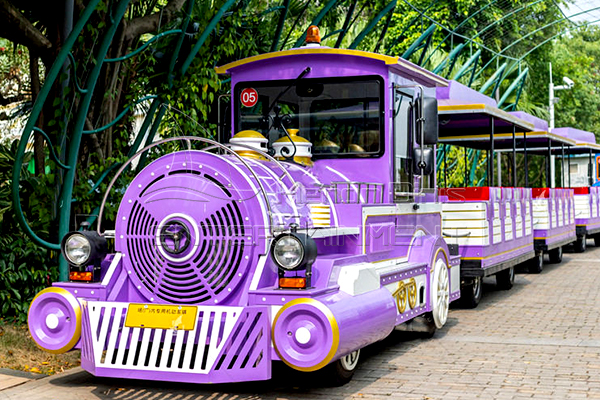
A worked example of that handover, from factory test to commissioning, is in the trackless train delivery project.