The container is the easy part. The month before it arrives decides whether installation takes five days or five weeks.
Installation delays are almost never caused by the equipment – they are caused by foundations that were not finished, power that was not connected or a crane that could not reach the site.
Spécifications clés
| Article | Référence |
|---|---|
| Civil works | Fondations, slabs and anchor bolts |
| Pouvoir | Fournir, distribution board and earthing |
| Access | Container route, crane position and laydown area |
| Eau | Supply and drainage where required |
| Documentation | Drawings, test reports and packing lists |
| Sequence | Ready the site before the first container lands |
Tous les chiffres sont des valeurs de référence et sont confirmés dans la proposition d'ingénierie de votre site.
Start With the Drawings and a Site Survey
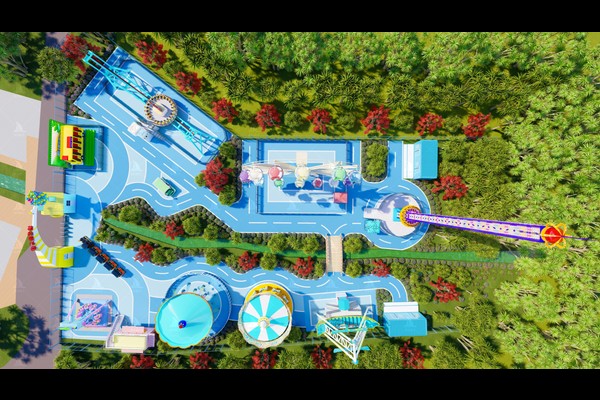
Before production ends, confirm the foundation drawings against the actual site: soil condition, water table, buried services and access routes. Mark the equipment positions on the ground and walk the delivery route with a tape measure, because the difference between a 45 et un 60 degree turn can decide whether a container truck reaches the gate. Any change agreed at this stage costs a drawing; the same change after arrival costs a crane and a week. If the layout is still open, notre conception de parc d'attractions service can settle ride positions before foundations are marked.
Fondations, Services and Surfaces
Foundations are the longest item on the critical path, so they should be poured and cured well before the ship berths. Anchor bolt positions must match the drawing exactly, and power must reach the ride’s control panel through an installed distribution board with proper earthing, not a temporary cable. If the ride needs water or drainage, complete those connections at the same time – trenching later under an installed ride is slow and expensive.
Delivery Day Logistics
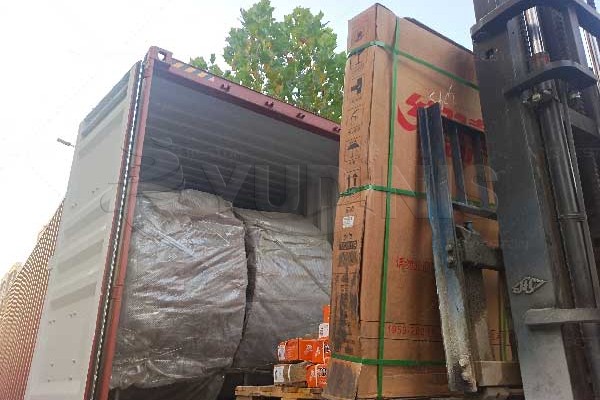
Plan unloading as carefully as installation. Confirm the access road and gate widths, book the crane or forklift with the correct reach and capacity, and prepare a secure laydown area where crates can be stored in installation order rather than stacked at random. Keep the packing lists and drawings in one file on site, and check the crates against them on arrival so any shortage is reported within the insurance window.
Installation, Commissioning and Training
Installation follows the manufacturer’s sequence and finishes with commissioning, load testing and operator training on the actual machines. Ask for the test records, the electrical schematics and a signed handover checklist, and store them where the maintenance team can find them. Rides that are commissioned properly – avec crane lifts planned, torque values recorded and the control system proven under load – open on time and stay open.
Adaptation de l'installation
Les détails suivants correspondent à votre parc: Site requirements, dessins de fondation, delivery planning and installation support.
Nous citons comme direct fabricant d'équipement d'un 125,000 base de production en m², donc la conversation technique et la conversation commerciale se déroulent au même endroit, avec 20 des années de projets d’exportation derrière la réponse. Le travail du projet comprend des dessins d'implantation, des listes d'équipements et une documentation progressives que vous pouvez remettre directement à un entrepreneur local.
Donnez-nous les détails du chantier et la date limite à laquelle vous travaillez – nous cartographierons les phases, l'équipement et le coût indiqué par rapport à celui-ci.